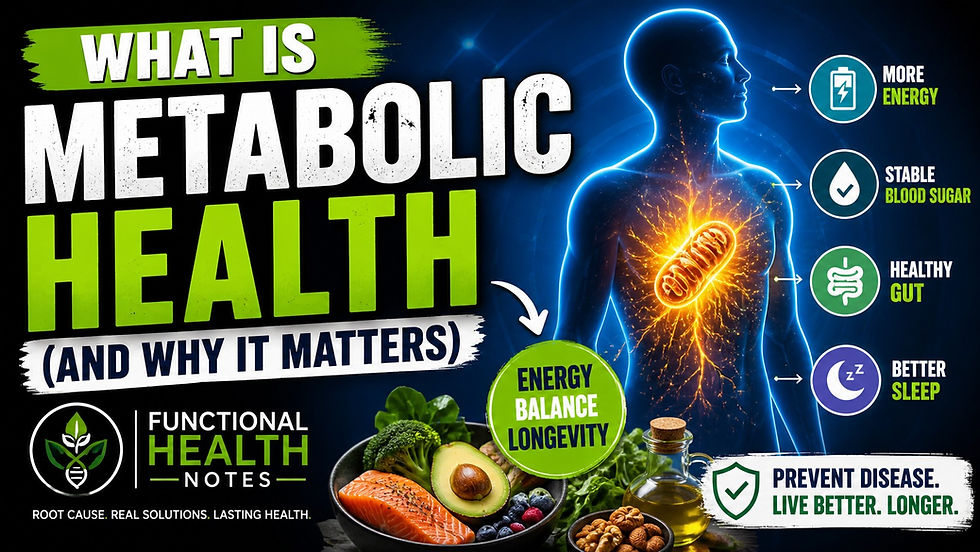
Best Foods for Blood Sugar Control: A Complete Guide to Natural Metabolic Health

Modern metabolic dysfunction is no longer rare. Rising rates of insulin resistance, prediabetes, metabolic syndrome, and Type 2 diabetes are closely tied to ultra-processed diets filled with refined sugars and fast-digesting carbohydrates. The encouraging news is that blood sugar balance is not controlled by genetics alone. Research consistently shows that strategic food choices, movement, stress reduction, and nutrient-dense eating patterns can dramatically improve glucose control and long-term metabolic health.
For many people, the solution is not found in extreme dieting or endless calorie counting, but in understanding how food influences insulin, inflammation, digestion and energy production.

Why Blood Sugar Control Matters
Blood sugar regulation affects far more than diabetes risk. Unstable glucose levels can contribute to:
Fatigue and energy crashes
Brain fog and poor focus
Increased hunger and cravings
Weight gain and belly fat accumulation
Hormonal imbalances
Chronic inflammation
Cardiovascular disease risk
Mood swings and irritability
When blood sugar spikes rapidly after meals, insulin rises sharply to move glucose into cells. Over time, repeated insulin surges can lead to insulin resistance, where cells stop responding efficiently to insulin. This creates a cycle of elevated glucose and elevated insulin that drives metabolic dysfunction.
The goal is not eliminating carbohydrates entirely, but choosing foods that create slower, steadier glucose responses.
Understanding the Glycemic Index and Glycemic Load
Two of the most important concepts in blood sugar management are the glycemic index (GI) and glycemic load (GL).
What Is the Glycemic Index?
The glycemic index ranks foods based on how quickly they raise blood sugar compared to pure glucose.
GI Categories
Low GI: 55 or less
Medium GI: 56–69
High GI: 70 or higher
Low-glycemic foods digest more slowly, helping stabilize glucose and insulin levels.
Examples of Lower-GI Foods
Steel-cut oats
Lentils
Quinoa
Sweet potatoes
Apples
Cherries
Non-starchy vegetables
Why Glycemic Load Matters More
Glycemic load considers both:
How fast a food raises blood sugar
How many carbohydrates it contains per serving
This gives a more realistic picture of a food’s metabolic impact.
For example:
Carrots have a moderate GI but a very low GL because they contain relatively few carbohydrates.
Pasta may have a moderate GI but a much higher GL due to its larger carbohydrate content.
This is why portion size and food combinations matter.
The Best Foods for Blood Sugar Control
1. Wild Salmon and Fatty Fish
Wild salmon is one of the most powerful foods for metabolic health.
Benefits
High in protein
Rich in omega-3 fatty acids
Helps slow digestion
Supports insulin sensitivity
Reduces inflammation
Supports heart health
Protein and healthy fats help reduce the glucose spike from meals, especially when paired with carbohydrates.
Best Options
Wild salmon
Sardines
Mackerel
Anchovies
Herring
Aim for fatty fish at least twice weekly.
2. Eggs
Pasture-raised eggs provide:
Protein
Healthy fats
Choline
Vitamin D
B vitamins
Eggs help stabilize appetite and reduce post-meal glucose fluctuations. Pairing eggs with vegetables instead of refined breakfast foods can significantly improve energy stability throughout the day.
3. Chia Seeds and Flaxseeds
These seeds are exceptionally rich in soluble fiber.
Why Fiber Matters
Soluble fiber:
Slows carbohydrate absorption
Reduces blood sugar spikes
Improves satiety
Supports gut microbiome health
Enhances insulin sensitivity
Easy Ways to Use Them
Add to smoothies
Stir into yogurt
Make chia pudding
Sprinkle on oatmeal
Add to salads
4. Lentils and Legumes
Lentils, black beans, chickpeas, and kidney beans provide:
Fiber
Protein
Magnesium
Potassium
Slow-digesting carbohydrates
This combination creates a steady release of glucose instead of sharp spikes.
Best Choices
Lentils
Black beans
Chickpeas
Navy beans
Pinto beans
5. Quinoa
Research has shown quinoa may significantly reduce post-meal glucose spikes in people with prediabetes.
Why Quinoa Is Superior
Quinoa contains:
Complete protein
Fiber
Antioxidants
Magnesium
Unsaturated fats
Unlike refined grains, quinoa digests slowly and supports better glucose regulation.
Swap Ideas
Replace:
White rice
Couscous
Refined pasta
With:
Quinoa bowls
Quinoa salads
Quinoa breakfast porridge
6. Leafy Greens
Dark leafy greens are foundational for blood sugar stability.
Benefits
Extremely low glycemic impact
Rich in magnesium
High in antioxidants
Supports detoxification pathways
Helps reduce inflammation
Best Options
Kale
Spinach
Swiss chard
Arugula
Collard greens
7. Berries
Berries are among the most blood-sugar-friendly fruits because they combine:
Fiber
Polyphenols
Antioxidants
Lower sugar content
Best Choices
Blueberries
Raspberries
Strawberries
Blackberries
8. Apples
Apples contain pectin fiber and beneficial plant compounds that help moderate glucose absorption.
Tips
Eat apples whole
Keep the peel on
Pair with protein or healthy fats
Example:
Apple + almond butter
Apple + walnuts
9. Avocados
Avocados are rich in:
Monounsaturated fats
Potassium
Fiber
Magnesium
Healthy fats help slow stomach emptying and reduce the glycemic impact of meals.
10. Sweet Potatoes
Sweet potatoes are generally better tolerated metabolically than white potatoes due to:
Higher fiber
Slower digestion
Greater micronutrient density
They are best paired with:
Protein
Healthy fats
Non-starchy vegetables
Herbs and Spices That Support Blood Sugar Control
Cinnamon
Research suggests cinnamon may:
Improve insulin sensitivity
Reduce fasting blood sugar
Lower post-meal glucose spikes
Ways to Use
Oatmeal
Smoothies
Greek yogurt
Tea
Fenugreek
Fenugreek has been studied for:
Improved glucose tolerance
Better lipid profiles
Reduced post-meal blood sugar
Turmeric and Curcumin
Curcumin, turmeric’s active compound, has demonstrated promising effects on:
Insulin sensitivity
Inflammation
Prediabetes progression
Turmeric works best when paired with black pepper and healthy fats for absorption.
Apple Cider Vinegar
Some studies suggest consuming diluted apple cider vinegar before meals may:
Reduce post-meal glucose spikes
Improve insulin sensitivity
Slow stomach emptying
Safe Use
1–2 tablespoons diluted in water
Consume before meals
Avoid undiluted use
The Problem With Refined Carbohydrates
Many processed foods rapidly elevate blood sugar because they:
Lack fiber
Digest quickly
Promote insulin spikes
Increase hunger shortly after eating
Foods That Commonly Disrupt Glucose Stability
Sugary beverages
White bread
Pastries
Candy
Breakfast cereals
Ultra-processed snack foods
Refined pasta
Sweetened yogurt
Even many “gluten-free” processed foods may still be highly glycemic if made with:
White rice flour
Potato starch
Tapioca starch
Cornstarch
Healthy Fats and Blood Sugar Balance
Healthy fats slow carbohydrate absorption and improve satiety.
Best Fat Sources
Olive oil
Avocados
Nuts
Seeds
Wild fish
Grass-fed meats
Nuts Especially Helpful for Blood Sugar
Almonds and walnuts
Nuts provide:
Healthy fats
Fiber
Magnesium
Antioxidants
They also help reduce cravings and improve fullness.
Lifestyle Habits That Improve Blood Sugar Naturally
1. Walk After Meals
Even short walks improve glucose disposal.
Research suggests post-meal movement may:
Improve insulin sensitivity
Reduce glucose spikes
Lower triglycerides
2. Build Muscle Through Resistance Training
Muscle acts like a glucose reservoir.
Strength training improves:
Insulin sensitivity
Glucose uptake
Metabolic flexibility
3. Reduce Chronic Stress
Chronic stress elevates cortisol, which can worsen insulin resistance.
Helpful strategies include:
Sleep optimization
Meditation
Breathwork
Sunlight exposure
Time outdoors
4. Prioritize Sleep
Poor sleep:
Increases insulin resistance
Elevates hunger hormones
Worsens cravings
Aim for consistent, restorative sleep.
Sample Blood Sugar-Friendly Meal Ideas
Breakfast
Eggs with spinach and avocado
Steel-cut oats with chia seeds and berries
Lunch
Quinoa bowl with salmon and vegetables
Lentil soup with olive oil drizzle
Dinner
Grass-fed beef with roasted vegetables
Wild salmon with sweet potato and greens
Snacks
Apple with almond butter
Greek yogurt with flaxseeds
Mixed nuts
Frequently Asked Questions About the Best Foods for Blood Sugar Control
What are the best foods for lowering blood sugar naturally?
The best foods for blood sugar control include high-fiber, protein-rich, and low-glycemic foods such as salmon, eggs, lentils, quinoa, chia seeds, flaxseeds, leafy greens, berries, avocados, nuts, and sweet potatoes. These foods slow digestion, reduce glucose spikes and improve insulin sensitivity naturally.

What foods help stabilize blood sugar quickly?
Foods that combine protein, fiber, and healthy fats help stabilize blood sugar most effectively. Examples include:
Apple with almond butter
Greek yogurt with chia seeds
Eggs with avocado
Salmon with vegetables
Lentils and quinoa bowls
These combinations slow glucose absorption and reduce rapid insulin spikes.
What foods should you avoid if your blood sugar is high?
Highly processed foods and refined carbohydrates are most likely to worsen blood sugar control, including:
Sugary drinks
White bread
Candy
Pastries
Sweetened cereals
Ultra-processed snacks
Refined pasta
Fried fast food
These foods digest rapidly and can trigger sharp glucose spikes followed by energy crashes.
Are eggs good for blood sugar control?
Yes. Eggs are rich in protein and healthy fats, which help slow digestion and improve satiety. Studies suggest protein-rich breakfasts may reduce post-meal blood sugar spikes and improve appetite control throughout the day.
Is quinoa better than rice for blood sugar?
Quinoa is generally considered a better option for blood sugar control because it contains more fiber, protein, antioxidants and healthy fats than white rice. Quinoa also has a lower glycemic impact and may help reduce post-meal glucose spikes.
What fruit is best for blood sugar control?
Lower-glycemic fruits with fiber are often better tolerated for metabolic health, including:
Berries
Apples
Pears
Cherries
Grapefruit
Oranges eaten whole
Whole fruit is usually preferable to fruit juice because fiber slows sugar absorption.
Are bananas bad for blood sugar?
Bananas are not inherently bad, but very ripe bananas may raise blood sugar faster than lower-glycemic fruits. Pairing bananas with protein or healthy fats—such as nuts or Greek yogurt—may help reduce glucose spikes.
What is the best breakfast for stable blood sugar?
A blood sugar-friendly breakfast usually includes:
Protein
Fiber
Healthy fats
Examples include:
Eggs with spinach and avocado
Steel-cut oats with chia seeds and berries
Greek yogurt with flaxseeds
Protein smoothies with greens and nuts
Avoid sugary cereals and pastries that can spike glucose early in the day.
Can cinnamon lower blood sugar naturally?
Research suggests cinnamon may modestly improve insulin sensitivity and reduce blood sugar spikes after meals. It is commonly added to oatmeal, smoothies, tea and yogurt as part of a balanced diet.
Does apple cider vinegar help blood sugar?
Some studies suggest diluted apple cider vinegar before meals may help lower post-meal glucose responses and improve insulin sensitivity. Typical use involves 1–2 tablespoons diluted in water before eating.
What is the glycemic index and why does it matter?
The glycemic index (GI) measures how quickly foods raise blood sugar. Lower-GI foods digest more slowly and generally produce steadier glucose levels than high-GI foods.
Low-GI foods include:
Lentils
Quinoa
Steel-cut oats
Leafy greens
Most non-starchy vegetables
What are the signs of poor blood sugar control?
Common symptoms may include:
Fatigue
Brain fog
Sugar cravings
Frequent hunger
Mood swings
Increased thirst
Energy crashes after meals
Belly fat accumulation
Persistent symptoms should be evaluated by a healthcare professional.
Can walking after meals lower blood sugar?
Yes. Even short walks after meals may improve insulin sensitivity and help muscles use glucose more effectively, reducing post-meal blood sugar spikes.
Are low-carb diets good for blood sugar management?
Many studies suggest lower-carbohydrate eating patterns may improve insulin sensitivity and reduce glucose fluctuations, especially for individuals with insulin resistance or prediabetes. The best approach varies by individual and should emphasize nutrient-dense whole foods.
What foods help reduce insulin resistance?
Foods that may support insulin sensitivity include:
Fatty fish
Leafy greens
Nuts and seeds
Legumes
Quinoa
Olive oil
Berries
High-fiber vegetables
Regular exercise, sleep, and stress management also play major roles.
Is oatmeal good for blood sugar?
Steel-cut and rolled oats are generally better options than instant oatmeal because they digest more slowly and contain more fiber. Pairing oats with protein and healthy fats may further improve blood sugar response.
What are the best snacks for blood sugar control?
Healthy blood sugar-friendly snacks include:
Mixed nuts
Apple with almond butter
Greek yogurt with berries
Hard-boiled eggs
Chia pudding
Hummus with vegetables
These snacks combine fiber, protein, and healthy fats for better glucose stability.
Can Type 2 diabetes improve with diet?
Research increasingly shows that dietary and lifestyle interventions can significantly improve insulin sensitivity and blood sugar control. Whole-food nutrition, weight management, exercise, stress reduction, and sleep optimization all play critical roles in metabolic health.
What can I eat to lower blood sugar naturally?
Focus on whole foods rich in protein, fiber, and healthy fats like salmon, eggs, lentils, leafy greens, chia seeds, berries, and avocados while reducing refined carbohydrates and sugary foods.
What foods won’t spike my blood sugar?
Low-glycemic foods such as quinoa, legumes, leafy greens, berries, nuts, and steel-cut oats are less likely to cause rapid blood sugar spikes.
What is the healthiest carbohydrate for blood sugar control?
Quinoa, lentils, sweet potatoes, steel-cut oats, and legumes are among the healthiest carbohydrate choices because they digest more slowly and contain fiber and nutrients.
How do I stop blood sugar crashes naturally?
Eating balanced meals with protein, fiber, and healthy fats, avoiding ultra-processed foods, walking after meals, sleeping well and reducing stress may help reduce blood sugar crashes naturally.
Actionable Takeaways for Better Blood Sugar Control
Focus on These Principles
Prioritize protein at every meal
Increase fiber intake gradually
Replace refined carbs with whole-food alternatives
Pair carbohydrates with protein and healthy fats
Choose low-glycemic foods more often
Walk after meals
Reduce sugary beverages
Sleep consistently
Manage stress daily
Final Thoughts
The evidence is increasingly clear: stable blood sugar is built through consistent daily habits rooted in whole-food nutrition, movement, and metabolic awareness. Protein, fiber, healthy fats, low-glycemic carbohydrates, and strategic lifestyle practices work together to support long-term metabolic resilience.
For many individuals, improving blood sugar naturally is less about deprivation and more about replacing ultra-processed foods with nutrient-dense choices that work with the body instead of against it.
Functional Health Notes Medical Disclaimer
Functional Health Notes provides educational and informational content only. The information in this article is not intended as medical advice, diagnosis, treatment, or a substitute for professional healthcare guidance. Always consult a qualified healthcare professional before making changes to your diet, supplements, medications, or lifestyle—especially if you have diabetes, prediabetes, metabolic syndrome, or other medical conditions.
Statements regarding supplements, herbs or natural compounds have not been evaluated by the U.S. Food and Drug Administration and are not intended to diagnose, treat, cure, or prevent any disease. Individual responses may vary. Never stop or modify prescribed medications without speaking with your healthcare provider first.