


Chronic Inflammation Explained (Root Cause #1)

The Hidden Driver Behind Modern Disease
Chronic inflammation is now widely recognized as one of the primary root causes of modern chronic disease, influencing everything from autoimmune conditions and heart disease to diabetes, neurodegeneration, and even cancer. Unlike acute inflammation—which is protective and temporary—chronic inflammation is a persistent, low-grade immune response that silently damages tissues over time.
This guide breaks down what chronic inflammation is, why it happens, and how to naturally reduce it using a functional health approach.

What Is Chronic Inflammation?
Inflammation is the body’s natural defense mechanism against injury, infection, or toxins. In a healthy system, it turns on when needed—and turns off once the threat is resolved.
Chronic inflammation occurs when this “off switch” fails.
Instead of resolving, the immune system stays activated, continuously releasing inflammatory molecules such as:
Tumor necrosis factor-alpha (TNF-α)
Interleukin-1 (IL-1)
Interleukin-6 (IL-6)
Reactive oxygen species (ROS)
Over time, this creates a slow-burning internal fire that damages cells, disrupts signaling, and accelerates disease progression.
Why Chronic Inflammation Happens
1. Gut Permeability (“Leaky Gut”) & Dysbiosis
The gut is the epicenter of inflammation.
When the intestinal lining becomes compromised:
Undigested food particles
Toxins
Bacterial fragments
…can leak into the bloodstream, triggering immune activation.
Key triggers:
Processed foods and additives
Gluten and dairy sensitivities
Antibiotic overuse
Environmental toxins
This process fuels systemic inflammation and is strongly linked to autoimmune and neurological conditions.
2. Cellular Inflammation Pathways
At the molecular level, several pathways drive chronic inflammation:
NF-κB activation → turns on inflammatory genes
Oxidative stress → damages DNA, proteins, and lipids
Mitochondrial dysfunction → reduces energy and increases inflammation
Inflammasome activation (NLRP3) → amplifies immune response
These mechanisms create a self-perpetuating cycle of inflammation.
Diseases Linked to Chronic Inflammation
Chronic inflammation is not just a symptom—it’s often the root cause.
Autoimmune Disorders
Rheumatoid arthritis
Hashimoto’s thyroiditis
Lupus
Multiple sclerosis
The immune system attacks the body’s own tissues due to persistent inflammatory signaling.
Cardiovascular Disease
Inflammation damages blood vessels, leading to:
Plaque buildup (atherosclerosis)
Increased risk of heart attack and stroke
Markers like hs-CRP are strong predictors of cardiovascular risk.
Metabolic Disorders
Insulin resistance
Type 2 diabetes
Obesity
Inflamed fat tissue releases cytokines that disrupt insulin signaling.
Neurodegenerative Diseases
Alzheimer’s disease
Parkinson’s disease
Inflammation in the brain (neuroinflammation) damages neurons and accelerates cognitive decline.
Cancer
Chronic inflammation:
Damages DNA
Promotes tumor growth
Suppresses immune surveillance
Root Causes of Chronic Inflammation
1. Diet (Biggest Driver)
The modern diet is highly inflammatory:
Pro-inflammatory foods:
Refined sugar
Industrial seed oils (soybean, corn)
Processed foods
High-heat cooked foods (AGEs)
Anti-inflammatory foods:
Omega-3 rich fish
Berries and polyphenols
Fermented foods
Fiber-rich vegetables
2. Environmental Toxins
Daily exposure to:
Heavy metals (mercury, lead)
Pesticides (glyphosate)
Plastics (BPA, phthalates)
Air pollution
…creates a constant inflammatory burden.
3. Chronic Stress
Stress activates inflammatory pathways through:
HPA axis dysregulation
Increased cortisol
Gut barrier disruption
Even psychological stress alone can trigger inflammation.
4. Sedentary Lifestyle
Lack of movement leads to:
Increased visceral fat
Reduced anti-inflammatory signaling
Poor circulation
How to Reduce Chronic Inflammation Naturally
1. Anti-Inflammatory Nutrition
Remove:
Sugar
Processed oils
Gluten (if sensitive)
Ultra-processed foods
Add:
Wild-caught fish (omega-3s)
Leafy greens
Fermented foods
Bone broth
2. Heal the Gut (4R Framework)
Remove irritants and pathogens
Replace digestive support
Reinoculate with probiotics
Repair with nutrients like glutamine
3. Key Anti-Inflammatory Nutrients
Curcumin → blocks NF-κB
Omega-3 (EPA/DHA) → reduces cytokines
Vitamin D → regulates immune response
Quercetin → supports gut barrier
4. Lifestyle Strategies
Stress Reduction
Meditation
Breathwork
Adaptogens
Movement
Strength training
Walking
Yoga
Sleep
7–9 hours nightly
Supports immune regulation
5. Reduce Toxic Load
Filter water and air
Avoid plastics
Use non-toxic personal care products
Emerging Insights in Inflammation Science
New research highlights:
Epigenetics → diet can turn inflammatory genes on/off
Circadian rhythms → poor sleep increases inflammation
Neuroimmune connection → brain and immune system are deeply linked
Exosomes → cellular communication influencing inflammation
Key Takeaways
Chronic inflammation is a root cause of most modern diseases
It often begins in the gut and spreads systemically
Lifestyle factors—not just genetics—drive inflammation
A functional health approach targets root causes, not symptoms
Chronic Inflammation Explained — FAQ
What is chronic inflammation?
Chronic inflammation is a long-term, low-grade immune response that persists even when there is no immediate threat. Unlike acute inflammation, which helps the body heal, chronic inflammation damages tissues over time and is linked to many diseases, including heart disease, diabetes, and autoimmune disorders.
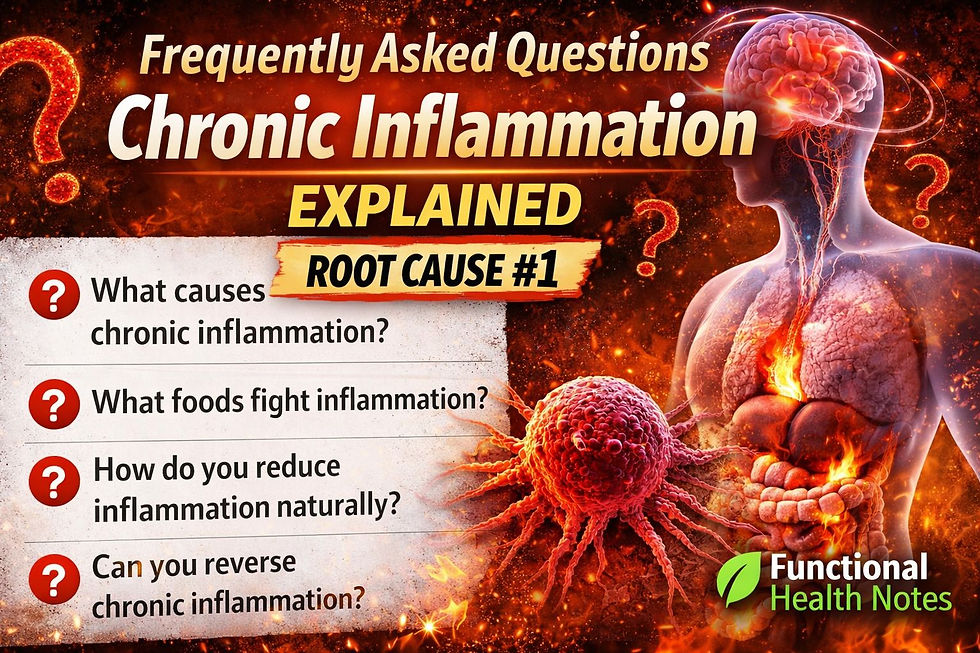
What causes chronic inflammation in the body?
Chronic inflammation is caused by a combination of lifestyle and environmental factors, including poor diet (high in sugar and processed foods), gut imbalance (dysbiosis), chronic stress, toxin exposure, lack of exercise, and poor sleep. These factors continuously activate the immune system.
What are the most common symptoms of chronic inflammation?
Common symptoms include:
Persistent fatigue
Brain fog
Joint pain or stiffness
Digestive issues (bloating, gas)
Skin problems (acne, eczema)
Frequent infections
Some people may have no obvious symptoms, making it a “silent” condition.
How do you reduce chronic inflammation naturally?
You can reduce chronic inflammation by:
Eating an anti-inflammatory diet (whole foods, omega-3s, fiber)
Healing gut health
Managing stress (meditation, sleep optimization)
Exercising regularly
Reducing exposure to toxins
These approaches address the root causes rather than just symptoms.
What foods cause chronic inflammation?
Foods that promote inflammation include:
Refined sugar and high-fructose corn syrup
Processed and fast foods
Industrial seed oils (soybean, corn, canola)
Excess alcohol
Artificial additives and preservatives
These foods disrupt gut health and trigger inflammatory pathways.
What foods help fight inflammation?
Anti-inflammatory foods include:
Fatty fish (salmon, sardines)
Leafy greens and vegetables
Berries and polyphenol-rich fruits
Nuts and seeds
Fermented foods (yogurt, kimchi, sauerkraut)
These support the immune system and reduce inflammatory markers.
Is chronic inflammation the root cause of disease?
Yes—chronic inflammation is considered a major root cause of many modern diseases, including cardiovascular disease, type 2 diabetes, autoimmune conditions, neurodegenerative diseases, and cancer. It disrupts normal cellular function and accelerates disease progression.
Can chronic inflammation be reversed?
In many cases, chronic inflammation can be reduced or reversed by addressing its root causes. Lifestyle changes such as improving diet, restoring gut health, reducing stress, and supporting detoxification can significantly lower inflammation levels over time.
How do you test for chronic inflammation?
Common tests include:
High-sensitivity C-reactive protein (hs-CRP)
Erythrocyte sedimentation rate (ESR)
Cytokine markers (IL-6, TNF-α)
These markers help identify systemic inflammation even when symptoms are mild.
Why is chronic inflammation called a “silent killer”?
Chronic inflammation is called a “silent killer” because it can exist for years without obvious symptoms while slowly damaging organs, blood vessels, and tissues—eventually leading to serious chronic diseases.
Can stress cause chronic inflammation?
Yes. Chronic psychological stress activates the immune system and increases inflammatory cytokines. It also disrupts gut health and hormonal balance, which further amplifies inflammation.
How is gut health connected to inflammation?
The gut plays a central role in inflammation. When the gut lining becomes permeable (“leaky gut”), toxins and bacteria can enter the bloodstream, triggering immune responses and systemic inflammation throughout the body.
Final Thoughts
Chronic inflammation is not inevitable—it’s modifiable.
By addressing:
Diet
Gut health
Stress
Toxin exposure
Movement
…you can reduce inflammation at its source, improve energy, and lower your risk of chronic disease.
Functional Health Notes Medical Disclaimer
This content is for educational purposes only and is not intended as medical advice, diagnosis, or treatment. Always consult a qualified healthcare professional before making changes to your diet, supplements, or lifestyle—especially if you have a medical condition or are taking medication. Functional Health Notes provides information based on current research and functional health principles but does not replace individualized medical care.
REFERENCES:
Books:
"The Adrenal Stress Connection" by Karen Jensen (Author), Marita Schauch (Author)
"Ketotarian The Mostly Plant-Based Plan to Burn Fat Boost Your Energy Crush Your Cravings and Calm Inflammation" by Will Cole
"The Complete Leaky Gut Health and Diet Guide" by Makoto Trotter (with Doug Cook)
"Curing the Incurable With Holistic Medicine The DaVinci Secret Revealed" by George John Georgiou
"The End of Mental Illness" by Dr. Daniel Amen
"Ancient Remedies: Secrets to Healing with Herbs, Essential Oils, CBD, and the Most Powerful Natural Medicine in History" by Dr. Josh Axe
"M360 Clinical Fitness Metabolic Fitness for Life" by Tim Barnes


