


The Gut–Brain Axis and the Vagus Nerve

The Neurobiological Superhighway Linking Digestion, Mood, and Whole-Body Health
The gut is not just a digestive organ—it’s a dynamic communication hub deeply intertwined with your brain, immune system, and metabolism. At the center of this connection lies one of the most fascinating systems in human biology: the gut–brain axis, powered largely by the vagus nerve.
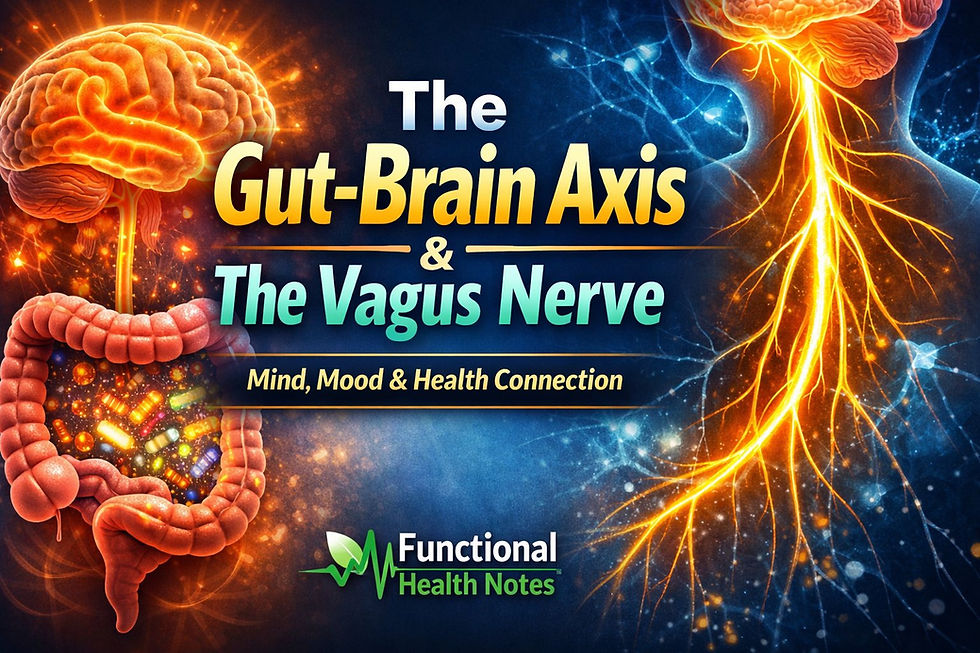
This bidirectional network helps explain why gut health influences everything from anxiety and focus to inflammation, skin health, and chronic disease risk. Understanding this system—and how to support it—can unlock powerful, root-cause approaches to long-term health.
What Is the Gut–Brain Axis?
The gut–brain axis is a complex communication network linking:
The enteric nervous system (ENS) (your “second brain” in the gut)
The central nervous system (CNS)
The immune system
The endocrine (hormonal) system
These systems communicate through:
Neural signaling (primarily via the vagus nerve)
Microbial metabolites
Hormones and neurotransmitters
Immune signaling molecules
This means what happens in your gut can directly influence your brain—and vice versa.
The Vagus Nerve: Your Body’s Communication Superhighway
The vagus nerve (cranial nerve X) is the longest cranial nerve in the body, running from the brainstem to the colon. It acts as the primary conduit for gut–brain communication.
Key Functions of the Vagus Nerve
Regulates digestion and gut motility
Controls heart rate and parasympathetic (rest-and-digest) activity
Modulates inflammation through the cholinergic anti-inflammatory pathway
Transmits sensory signals from the gut to the brain
The vagus nerve sends more information from the gut to the brain than the other way around, meaning your gut environment heavily influences mood, cognition, and stress response.
Neuroanatomy: How the Gut Talks to the Brain
Signals from the gut travel via the vagus nerve to the nucleus tractus solitarius (NTS) in the brainstem. From there, information is relayed to areas responsible for:
Emotional regulation
Stress response
Cognitive processing
This allows the brain to continuously monitor:
Gut microbiome activity
Nutrient absorption
Intestinal barrier integrity
These inputs directly impact mental clarity, resilience, and overall neurological health.
The Microbiome–Vagus Connection
Your gut microbiome plays a central role in activating vagal signaling.
Microbial Compounds That Influence the Brain
Short-chain fatty acids (SCFAs)
Serotonin (95% produced in the gut)
GABA (calming neurotransmitter)
Dopamine precursors
These compounds:
Influence mood and anxiety
Regulate the HPA axis (stress response system)
Reduce or amplify inflammation
Dysbiosis (microbial imbalance) has been linked to:
Depression and anxiety
Neurodegenerative conditions
Metabolic dysfunction
Stress, Inflammation, and the Gut–Brain–Skin Axis
Chronic stress disrupts gut–brain signaling and weakens vagal tone.
What Happens Under Chronic Stress?
Increased intestinal permeability (“leaky gut”)
Elevated inflammatory cytokines (IL-1β, TNF-α)
Disrupted skin barrier → eczema, psoriasis, acne
The vagus nerve helps counteract this through its anti-inflammatory pathway, reducing systemic inflammation and restoring balance.
Circadian Rhythm: The Missing Link in Gut–Brain Health
Your gut and brain operate on a shared biological clock.
Disruptions Lead To:
Impaired digestion
Hormonal imbalances
Increased insulin resistance
Microbial dysbiosis
Research shows that misaligned eating patterns (like late-night eating) can significantly worsen metabolic health.
Optimize Your Rhythm:
Eat during daylight hours
Minimize blue light exposure at night
Maintain consistent sleep timing
Natural Ways to Improve Vagus Nerve Function
Enhancing vagal tone is one of the most powerful ways to support the gut–brain axis.
1. Breathwork & Diaphragmatic Breathing
Activates parasympathetic nervous system
Improves digestion and stress resilience
2. Cold Exposure (Cold Showers / Ice Baths)
Increases vagal tone
Reduces inflammation
Improves heart rate variability (HRV)
3. Humming, Gargling, Singing
Stimulates vagal pathways through throat muscles
4. Exercise
Boosts BDNF (brain-derived neurotrophic factor)
Improves gut barrier integrity
5. Massage Therapy
Enhances vagal output
Reduces inflammatory markers
Nutritional Strategies for Gut–Brain Optimization
Support the Microbiome
Fermented foods (kefir, sauerkraut, yogurt)
Prebiotic fibers (inulin, resistant starch)
Reduce Inflammation
Omega-3 fatty acids (wild-caught fish)
Polyphenols (berries, turmeric, green tea)
Avoid Disruptors
Artificial sweeteners
Highly processed foods
Environmental toxins (e.g., pesticides)
Botanical and Functional Support
Certain natural compounds may support gut–brain communication:
Adaptogens (e.g., ashwagandha) → regulate stress response
Phytocannabinoids → support endocannabinoid system balance
Herbal anti-inflammatories → reduce gut-driven inflammation
These approaches work best when combined with foundational lifestyle strategies.
Clinical Implications: Why This Matters
Disruptions in the gut–brain axis are now associated with:
Depression and anxiety
IBS and digestive disorders
Neurodegenerative diseases
Metabolic syndrome and insulin resistance
This highlights a critical insight:
You cannot optimize brain health without addressing gut health.
Frequently Asked Questions (People Also Ask): The Gut–Brain Axis & The Vagus Nerve
What is the gut–brain axis in simple terms?
The gut–brain axis is a two-way communication system between your digestive system and your brain. It connects through nerves (especially the vagus nerve), hormones, immune signals, and gut bacteria. This means your gut health directly affects your mood, stress levels, and brain function.

What does the vagus nerve actually do?
The vagus nerve is the main communication pathway between the gut and brain. It regulates digestion, heart rate, inflammation, and stress response. It also carries signals from the gut to the brain, influencing mood, focus, and emotional resilience.
How does gut health affect mental health?
Gut health affects mental health through the production of neurotransmitters like serotonin, dopamine, and GABA. An imbalanced gut microbiome (dysbiosis) can increase inflammation and disrupt these chemicals, contributing to anxiety, depression, and brain fog.
Can poor gut health cause anxiety or depression?
Yes, research shows that poor gut health can contribute to anxiety and depression. Inflammation, microbial imbalance, and impaired vagus nerve signaling can all disrupt mood regulation and stress response systems.
What are the signs your gut–brain axis is not working properly?
Common signs include:
Brain fog and poor focus
Anxiety or mood swings
Chronic fatigue
Digestive issues (bloating, constipation, IBS)
Skin problems like acne or eczema
These symptoms often reflect disruptions in gut–brain communication.
How do you naturally improve vagus nerve function?
You can improve vagus nerve function by:
Practicing deep diaphragmatic breathing
Using cold exposure (cold showers or ice baths)
Humming, singing, or gargling
Exercising regularly
Prioritizing quality sleep
These techniques increase vagal tone and improve stress resilience.
What foods support the gut–brain axis?
Foods that support the gut–brain axis include:
Fermented foods (kefir, yogurt, sauerkraut)
Prebiotic fibers (onions, garlic, resistant starch)
Omega-3 fatty acids (wild fish, flaxseeds)
Polyphenol-rich foods (berries, green tea)
These nourish beneficial gut bacteria and reduce inflammation.
How does stress affect the gut–brain connection?
Chronic stress weakens the gut–brain axis by increasing cortisol, disrupting gut bacteria, and damaging the intestinal barrier. This can lead to inflammation, digestive issues, and worsening mental health symptoms.
Can improving gut health reduce inflammation in the body?
Yes, improving gut health can significantly reduce inflammation. A balanced microbiome helps regulate the immune system and lowers inflammatory markers, which supports brain, metabolic, and overall health.
What is vagal tone and why does it matter?
Vagal tone refers to how well your vagus nerve functions. Higher vagal tone is linked to better stress management, improved digestion, lower inflammation, and greater emotional stability.
How quickly can you improve the gut–brain axis?
Some improvements (like reduced stress or better digestion) can happen within days to weeks. However, long-term gut–brain repair—especially microbiome balance—can take several weeks to months depending on consistency.
Is the gut really considered a “second brain”?
Yes, the gut is often called the “second brain” because it contains its own nervous system (the enteric nervous system) and can function independently while communicating continuously with the brain.
Does the gut produce serotonin?
Yes, about 90–95% of the body’s serotonin is produced in the gut. This highlights why gut health plays a critical role in mood, sleep, and emotional well-being.
What disrupts the gut–brain axis the most?
Major disruptors include:
Ultra-processed foods
Chronic stress
Poor sleep and circadian misalignment
Environmental toxins
Antibiotic overuse
These factors damage the microbiome and weaken vagus nerve signaling.
What is the fastest way to start improving gut–brain health?
Start with these foundational steps:
Improve diet (whole foods, fiber, fermented foods)
Manage stress (breathing, mindfulness)
Fix sleep and circadian rhythm
Move your body daily
Reduce processed foods and toxins
These changes create rapid improvements in both gut and brain function.
Actionable Takeaways
The vagus nerve is the primary communication pathway between gut and brain
Gut bacteria directly influence neurotransmitter production and mood
Chronic stress weakens vagal tone and increases inflammation
Circadian rhythm alignment is essential for gut–brain balance
Lifestyle interventions outperform symptom-based approaches by addressing root causes
Final Perspective: A Functional Health Lens
The gut–brain axis challenges the outdated idea that the body functions in isolated systems. Instead, it reveals a deeply interconnected network where:
Diet influences mood
Stress impacts digestion
Microbes shape cognition
True health emerges when these systems are addressed together—not separately.
Functional Health Notes Medical Disclaimer
This content is for educational and informational purposes only and is not intended as medical advice, diagnosis, or treatment. Always consult with a qualified healthcare professional before making changes to your diet, lifestyle, or supplement routine—especially if you have a medical condition or are taking medications.
Functional Health Notes content is designed to support informed health decisions, not replace professional medical care.
REFERENCES:
Books:
"Dirty Genes: A Breakthrough Program to Treat the Root Cause of Illness and Optimize Your Health" by Dr. Ben Lynch
"Own the Day, Own Your Life: Optimized Practices for Waking, Working, Learning, Eating, Training, Playing, Sleeping, and Sex" by Aubrey Marcus
"The Longevity Leap: A Guide to Slowing Down Biological Aging and Adding Healthy Years to Your Life" by Siim Land
"Tappan’s Handbook of Healing Massage Techniques: Classic, Holistic, and Emerging Methods" by Frances M. Tappan
"Biomedical Acupuncture for Sports and Trauma Rehabilitation: Dry Needling Techniques" by Yun-tao Ma PhD
"The Longevity Paradox: How to Die Young at a Ripe Old Age" by Steven R. Gundry MD
"The Clinical Spectrum of Alzheimer's Disease -The Charge Toward Comprehensive Diagnostic and Therapeutic Strategies" by Suzanne M. De La Monte


