Best Foods for Gut–Brain Health: The Science-Backed Guide to Mood, Focus, and Cognitive Resilience

The connection between your gut and brain—often called the gut–brain axis—is one of the most powerful yet overlooked drivers of mental clarity, mood stability, and long-term neurological health. Emerging research in neurogastroenterology and nutritional psychiatry shows that what you eat directly shapes your microbiome, which in turn influences neurotransmitters, inflammation, and even behavior.

This guide breaks down the best foods for gut-brain health, how they work, and how to implement them for real-world results.
What Is the Gut–Brain Axis (and Why It Matters)
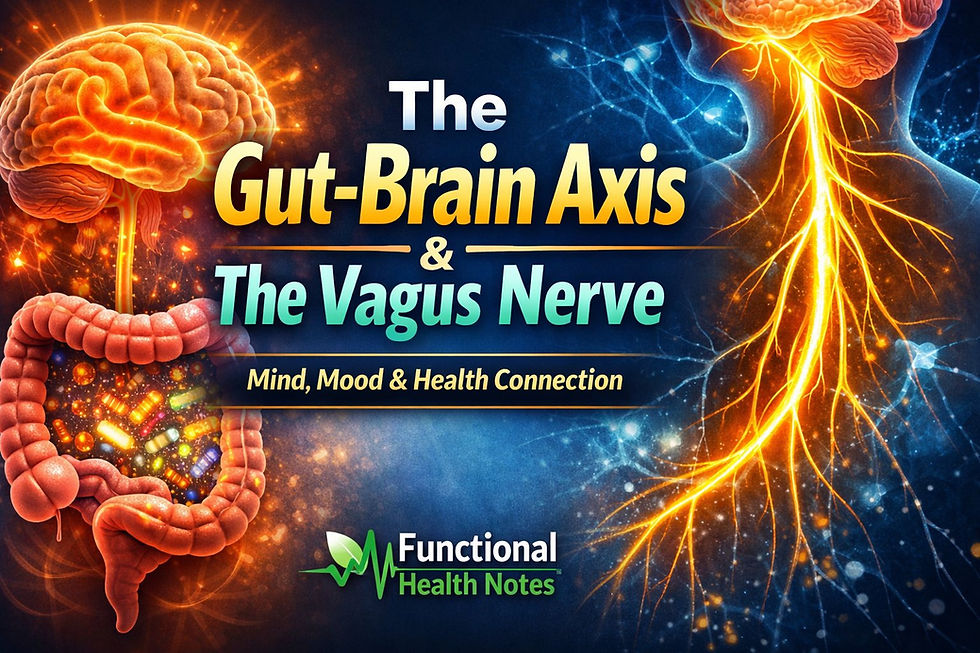
The gut–brain axis is a two-way communication system linking your digestive system and central nervous system. Signals travel through:
The vagus nerve
Immune system pathways
Hormones and neurotransmitters
In fact, about 90–95% of serotonin is produced in the gut, making your microbiome a central regulator of mood, sleep, and stress.
1. Fermented Foods: Probiotic Powerhouses for Mood and Stress
Fermented foods introduce beneficial bacteria that directly support neurotransmitter production and reduce inflammation.
Best Options:
Yogurt (unsweetened)
Kefir
Sauerkraut
Kimchi
Kombucha
How They Work:
Increase serotonin production
Support GABA (calming neurotransmitter)
Improve gut barrier integrity
Enhance vagus nerve signaling
Clinical research shows probiotics can reduce symptoms of anxiety and depression within weeks, rivaling some medications—without side effects.
Actionable Takeaway:
Aim for 1–2 servings daily
Choose unpasteurized, live cultures
2. Omega-3 Fatty Acids: Anti-Inflammatory Brain Fuel
Omega-3s are essential for brain structure, communication between neurons, and inflammation control.
Best Sources:
Wild-caught salmon
Sardines
Anchovies
Walnuts
Flaxseeds
Key Benefits:
Reduce neuroinflammation
Improve memory and focus
Support gut lining integrity
Enhance mood regulation
Deficiencies are linked to conditions like Alzheimer’s disease and Autism Spectrum Disorder.
Actionable Takeaway:
Eat fatty fish 2–3x per week
Or supplement with 1,000 mg EPA/DHA daily
3. Prebiotic Fiber: Fuel for Good Gut Bacteria
Prebiotics are non-digestible fibers that feed beneficial microbes, helping them produce short-chain fatty acids (SCFAs) like butyrate.
Best Sources:
Garlic, onions, leeks
Asparagus
Jerusalem artichokes
Green bananas
Cooked and cooled potatoes
Why It Matters:
Strengthens gut lining
Reduces inflammation
Supports brain-derived neurotrophic factor (BDNF)
Improves microbial diversity
These compounds help prevent “leaky gut,” a contributor to systemic inflammation and mood disorders.
Actionable Takeaway:
Aim for 25–30g fiber daily
Combine with probiotics (synbiotic effect)
4. Polyphenol-Rich Foods: Antioxidants for Brain Protection
Polyphenols act as both antioxidants and microbiome enhancers, supporting brain health through multiple pathways.
Best Sources:
Blueberries
Blackberries
Green tea
Dark chocolate (85%+)
Apples
Benefits:
Reduce oxidative stress
Increase beneficial gut bacteria
Improve memory and cognition
Extend neurotransmitter activity
Regular berry intake has been shown to delay cognitive decline, likely through gut-derived compounds.
Actionable Takeaway:
Eat 1–2 servings daily
Choose organic when possible
5. Bone Broth and Collagen: Repairing the Gut Lining
Bone broth is rich in amino acids that help heal and seal the gut lining.
Key Nutrients:
Glycine
Glutamine
Proline
Why It Matters:
Reduces intestinal permeability
Lowers inflammation
Supports detoxification pathways
Protects the brain from inflammatory toxins
This is especially relevant for conditions involving gut permeability and inflammation.
Actionable Takeaway:
Drink 1 cup daily
Use as a base for soups or meals
6. Leafy Greens and Cruciferous Vegetables
These foods provide essential nutrients for neurotransmitter production and detoxification.
Top Choices:
Spinach
Kale
Broccoli
Benefits:
High in magnesium (stress regulation)
Rich in B vitamins (brain function)
Contain sulforaphane (detox + anti-inflammatory)
7. Extra Virgin Olive Oil: Brain-Protective Fat
A staple of the Mediterranean diet, olive oil supports both gut and brain health.
Benefits:
Reduces inflammation
Improves synaptic plasticity
Supports gut barrier function
Foods That Damage Gut–Brain Health (Avoid These)
To maximize results, reduce exposure to:
Ultra-processed foods
Artificial sweeteners
Emulsifiers (e.g., polysorbate 80)
Industrial seed oils
Excess sugar
These disrupt the microbiome and increase inflammatory toxins like LPS (lipopolysaccharides).
Lifestyle Synergy: Amplify Results Beyond Food
Diet works best when paired with:
1. Exercise
Boosts microbial diversity
Increases BDNF (brain growth factor)
2. Stress Reduction
Meditation
Deep breathing
Vagus nerve activation
3. Sleep Optimization
Supports microbiome balance
Enhances memory and mood regulation
Best Foods for Gut–Brain Health (FAQ)
What are the best foods for gut-brain health?
The best foods for gut-brain health include fermented foods (yogurt, kefir, sauerkraut), omega-3-rich foods (salmon, sardines, flaxseeds), prebiotic fibers (garlic, onions, bananas), and polyphenol-rich foods (berries, dark chocolate, green tea). These support the gut microbiome, reduce inflammation, and improve mood, focus, and cognitive function.

How does gut health affect the brain?
Gut health affects the brain through the gut–brain axis, a communication system linking the digestive system and central nervous system. Gut bacteria influence neurotransmitters like serotonin, regulate inflammation, and send signals via the vagus nerve—directly impacting mood, stress, memory, and mental clarity.
Can improving gut health reduce anxiety and depression?
Yes, improving gut health may help reduce symptoms of anxiety and depression. Research shows beneficial gut bacteria can increase serotonin and GABA production, reduce inflammation, and improve stress response. Dietary changes and probiotics have been shown to support mental health within weeks.
What foods help reduce brain fog naturally?
Foods that help reduce brain fog include fatty fish (rich in omega-3s), fermented foods (probiotics), leafy greens (magnesium and B vitamins), and berries (antioxidants). These improve blood flow to the brain, support neurotransmitter function, and reduce inflammation linked to cognitive fatigue.
What is the gut-brain axis in simple terms?
The gut-brain axis is the two-way communication system between your gut and brain. It allows gut bacteria to influence how you think and feel, while stress and emotions can also affect digestion and gut health.
Are probiotics or prebiotics better for brain health?
Both are important. Probiotics introduce beneficial bacteria, while prebiotics feed those bacteria. Together, they improve gut diversity, support neurotransmitter production, and strengthen the gut lining—making a combined approach (synbiotics) most effective for brain health.
How quickly can diet improve gut-brain health?
Some improvements can occur within a few days, especially in digestion and energy levels. However, meaningful changes in mood, focus, and microbiome balance typically take 2–6 weeks of consistent dietary changes.
What damages the gut-brain connection?
Processed foods, excess sugar, artificial sweeteners, emulsifiers, and chronic stress can damage the gut-brain connection. These disrupt the microbiome, increase inflammation, and impair neurotransmitter production.
Do omega-3 fatty acids improve brain and gut health?
Yes, omega-3 fatty acids support both brain and gut health. They reduce inflammation, improve brain cell communication, and strengthen the gut lining—helping prevent “leaky gut” and supporting mental clarity and mood stability.
Can gut health affect focus and memory?
Yes, gut health plays a major role in focus and memory. A balanced microbiome supports neurotransmitters, reduces brain inflammation, and enhances cognitive performance, while poor gut health is linked to brain fog and reduced mental clarity.
What is the fastest way to improve gut-brain health naturally?
The fastest way to improve gut-brain health is to:
Add fermented foods daily
Increase fiber intake (25–30g/day)
Eat omega-3-rich foods regularly
Reduce processed foods and sugar
Manage stress and sleep
Is there a gut-brain diet that works best?
Yes, diets like the Mediterranean diet are highly effective for gut-brain health. They emphasize whole foods, healthy fats, fiber, and antioxidants, which support both microbiome diversity and brain function.
What is LPS (simple explanation)?
Lipopolysaccharides (LPS) are toxic molecules found in the outer membrane of certain gut bacteria (mainly gram-negative bacteria). When these toxins leak into the bloodstream, they can trigger inflammation throughout the body—including the brain.
Conclusion: Your Brain Health Starts in Your Gut
The science is clear: mental clarity, emotional stability, and cognitive longevity begin in the gut.
By prioritizing:
Fermented foods
Omega-3 fats
Prebiotic fiber
Polyphenol-rich plants
…and eliminating gut disruptors, you can build a microbiome that supports focus, mood, and long-term neurological resilience.
Quick Start Checklist
✔ Add fermented foods daily
✔ Eat fatty fish 2–3x per week
✔ Increase fiber to 25–30g/day
✔ Include berries or polyphenols daily
✔ Reduce processed foods and additives
Functional Health Notes Medical Disclaimer
This content is for informational and educational purposes only and is not intended as medical advice, diagnosis, or treatment. Always consult a qualified healthcare professional before making changes to your diet, supplements, or lifestyle—especially if you have a medical condition or are taking medications. Individual responses may vary, and functional health strategies should be personalized.
REFERENCES:
Books:
"IBD and the Gut-Brain Connection: A patient's and carer's guide to taming Crohn's disease and ulcerative colitis" by Antonina Mikocka-Walus
"The Psychobiotic Revolution: Mood, Food, and the New Science of the Gut-Brain Connection" by Scott C. Anderson
"The Brain Diet: The Connection Between Nutrition, Mental Health, and Intelligence" by Dr. Alan C. Logan
"The Paleovedic Diet: A Complete Program to Burn Fat, Increase Energy, and Reverse Disease" by Akil Palanisamy
"The Mind-Gut Connection: How the Hidden Conversation Within Our Bodies Impacts Our Mood, Our Choices, and Our Overall Health" by Emeran Mayer
"Canadian Encyclopedia of Natural Medicine" by Sherry Torkos
"Feel Better in 5: Your Daily Plan to Feel Great for Life" by Rangan Chatterjee
"Anxiety-Free with Food: Natural, Science-Backed Strategies to Relieve Stress and Support Your Mental Health" by Liana Werner-Gray
"Eat Dirt: Why Leaky Gut May Be the Root Cause of Your Health Problems and 5 Surprising Steps to Cure It" by Josh Axe
"The Healthy Brain Book: An All-Ages Guide to a Calmer, Happier, Sharper You: A proven plan for managing anxiety, depression, and ADHD, and preventing and reversing dementia and Alzheimer's" by William Sears and Vincent M. Fortanasce